How to Display Landscape Photography
.jpg?width=1800&name=Untitled%20design%20(96).jpg)
Colin Prior
Landscape Photographer and Loxley Colour Ambassador
It’s always revealing to ask a landscape photographer if they have any of their own photographs displayed on the walls of their home. I am happy to report that I have five – three framed acrylic galleries in our hall and two framed prints in our lounge. Choosing an image to hang on the wall can often be a daunting process, particularly when you have probably a large selection to choose from. There are three things, however, that you should consider and which should help you to make an informed choice.
The Importance of Connection
People hang on their walls, artwork which they have a connection with – whether it’s a beach in part of the country where you spent time as a child, or where you own a time-share or perhaps it is a photograph of a mountain which was your final Munro – the important thing is that there’s a connection. It is also important to remember this if you are selling your prints through your website – even images of towns and cities can be popular because so many people have connections with them.
Correct Lighting
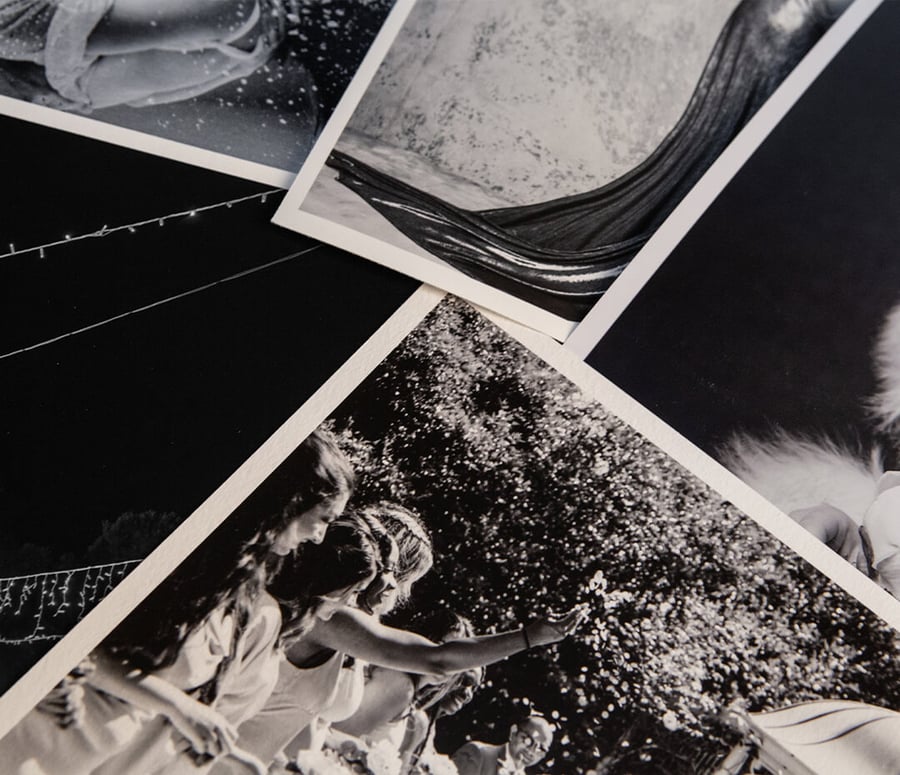
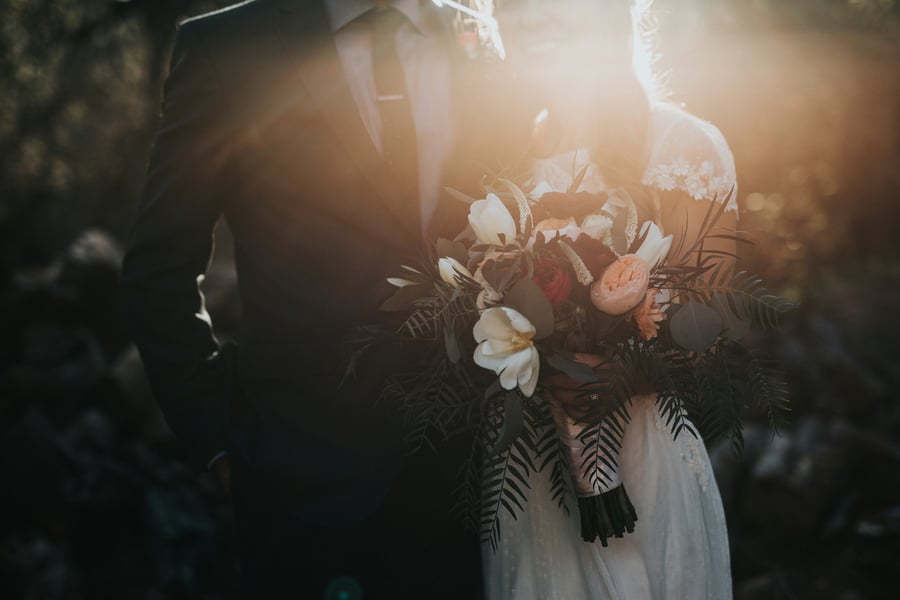
Secondly, identifying what types of images work well when mounted on the wall. What I would say here is to avoid images with large areas of shadow and images that are shot into the sun because whether it is a print destined to be framed for the wall or it is in a book, images with heavy shadows reproduce as textureless grey/black areas which have an overall negative effect on the perception of an image. On the wall and under a sheet of glass, the problem is further exacerbated as the print is starved of light and this issue must be redressed.
To get the most from any wall art it is essential that each piece has its own picture light – an angled downlighter is ideal and will breathe new life into your picture. Without a picture light it is often impossible to see the subject matter at all.
Print Correctly
It is also worthwhile mentioning that processing your images for print correctly is crucial – remember when you are looking at images within Lightroom or Photoshop they are backlit by your computer screen which is not the case when you are looking at a printed image where you are dependant of reflected ambient light. Over the years, conversations with many printers confirm that this common problem is perpetuated by photographers who process their images in a manner that result in prints appearing dark, whether they are processed for printing in the sRGB or CMYK colour spaces. Learning how to ‘open up’ your images for print takes time, however it is so important to avert the shadow areas blocking up.
Why do you print with Loxley Colour?
I have been selling prints for over 30 years, and Loxley Colour have printed, framed and fulfilled my work to customers all over the world. My website is fully integrated with Loxley Colour, and when customers order, they do the rest, which frees me up to run my business. It is simple common sense.